
Apple and Samsung Lock Down Global Top 10 as iPhone 16 Takes Top Spot
Counterpoint Research has released its latest figures for the smartphone market, revealing a landscape where familiarity and strategic discounting are driving global volume. In the third quarter of 2025, the iPhone 16 secured the top spot, capturing approximately 4 percent of global sales. This marks the third consecutive quarter the model has maintained its lead, underscoring Apple’s ability to sustain momentum even as newer hardware enters the fray.
The top 10 best-selling devices are currently an exclusive duopoly, split evenly between Apple and Samsung. Together, these two manufacturers account for roughly one-fifth of all smartphone volume worldwide. For Apple, the continued success of the iPhone 16 was bolstered significantly by aggressive holiday pricing in India and consistent, stable demand in Japan. These regional factors helped cushion the typical sales decline that usually accompanies the launch of a new generation—in this case, the iPhone 17 lineup. However, the cannibalization effect was more pronounced among the higher-end models. In key markets such as the United States, the United Kingdom, and China, consumers showed a clear preference for skipping the 16 Pro, moving directly to the newly released iPhone 17 series.
The 5G Standard and Premium Thresholds
For the first time in a third quarter, the top five positions on the global bestseller list were occupied exclusively by 5G-enabled models, signaling that the technology has effectively transitioned from a premium feature to a mass-market standard. Counterpoint’s methodology classifies devices with a wholesale price above $600 as premium smartphones, a category that continues to expand.
At the upper end of the spectrum, the iPhone 17 Pro Max managed to crack the top 10 for the quarter, landing in tenth place despite limited availability at the quarter’s close. Notably, data from September 2025 singles it out as the best-selling individual model for that month. This surge at the high end is largely attributed to a massive replacement cycle: consumers who purchased devices during the peak of the COVID-19 pandemic are now re-entering the market to upgrade.
Samsung’s Grip on the Mid-Range
Samsung secured its five spots entirely through its Galaxy A-series, demonstrating the company’s stranglehold on the mid-range sector. While the market shares of these individual models are tightly grouped, they successfully target distinct demographics. The Galaxy A16 5G emerged as the quarter’s best-selling Android smartphone, surpassing its predecessor in popularity and outperforming its 4G counterpart.
Further up the stack, the Galaxy A36 and A56 are showing stronger traction than previous generations, likely due to Samsung’s strategy of trickling down flagship features. These mid-range handsets now boast capabilities previously reserved for the S-series, including “Nightography” AI tools, “Best Face” recognition, faster charging speeds, and extended software support. Meanwhile, in emerging markets across Latin America, the Middle East, and Africa, LTE remains vital. The Galaxy A16 4G and Galaxy A06 secured top-10 positions driven almost entirely by sales in these regions. However, with Samsung pushing the Galaxy A17 series to market earlier to capitalize on promotional windows, the lifespan of the A16 series may be cut short.
The Hardware Behind the Upgrade Wave
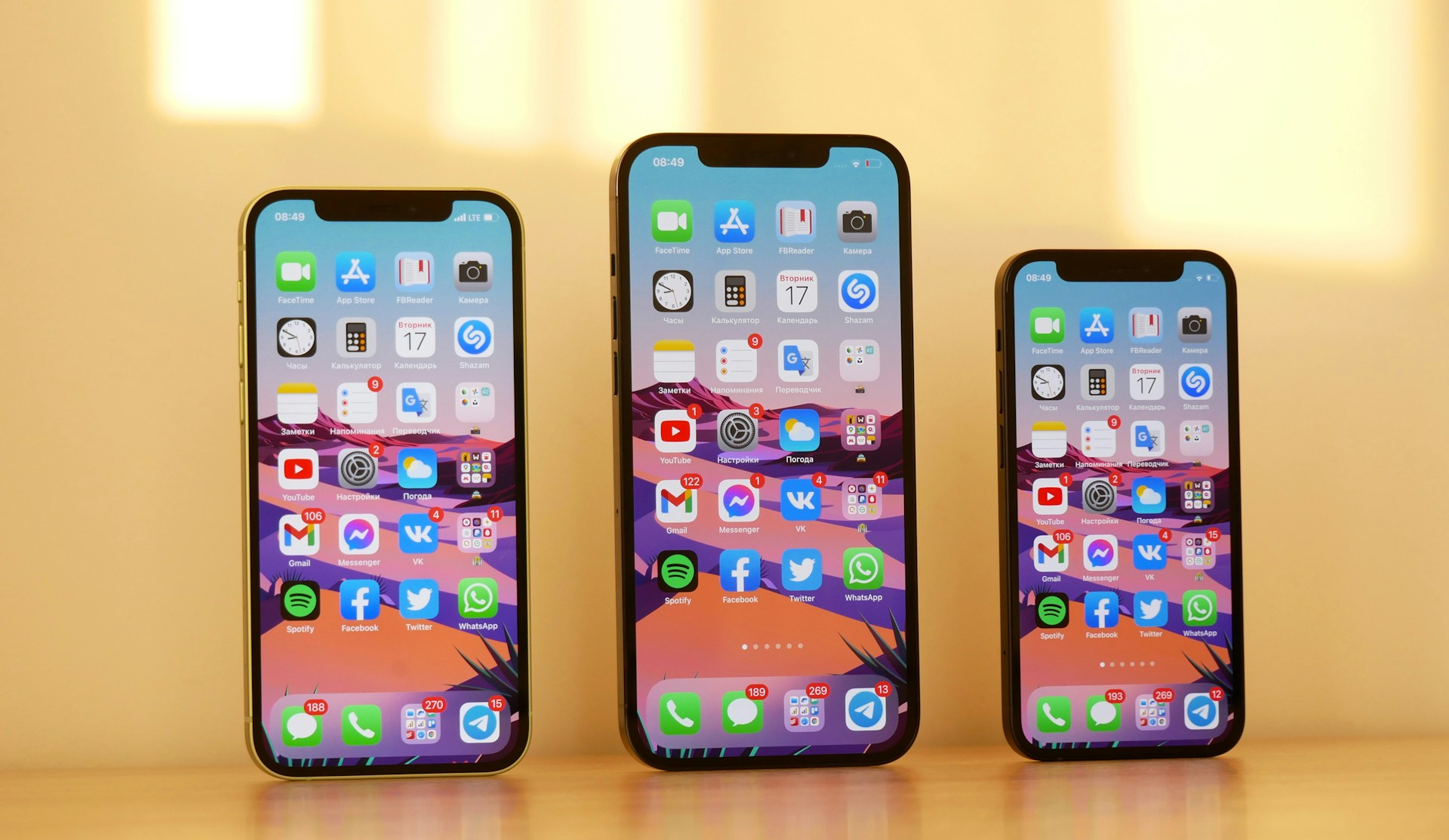
The current spike in premium sales is heavily driven by owners of older generations, specifically the iPhone 12 Pro and iPhone 13 Pro, finally trading in their devices. Understanding the motivation behind this upgrade supercycle requires looking at the hardware these users have been relying on for the past several years. For those who skipped the initial jump from the 12 Pro to the 13 Pro, the cumulative age of their hardware is now making an upgrade unavoidable.
When the iPhone 13 Pro initially replaced the 12 Pro, the design language remained largely static, leading some to hesitate. However, the internal differences were substantial and are even more glaring in retrospect. The 13 Pro introduced the A15 Bionic chipset, which offered significant gains in graphics performance and battery efficiency compared to the 12 Pro’s architecture.
Furthermore, the camera systems—often the primary driver for upgrades—saw a distinct shift between these two generations. The 13 Pro utilized larger sensors on both the main and ultra-wide cameras to improve light sensitivity, alongside a 3x telephoto lens that outclassed the 2x optical zoom of the 12 Pro. While the iPhone 13 Pro remains a capable device by modern standards, the gap between it and the standard iPhone 13 was wider than in previous years, setting a precedent for the Pro-level differentiation we see today. For users still holding a 12 Pro, the leap to a modern iPhone 17 or even a discounted 16 represents a massive overhaul in daily usability, fueling the sales figures we are currently seeing in the 2025 holiday quarter.