
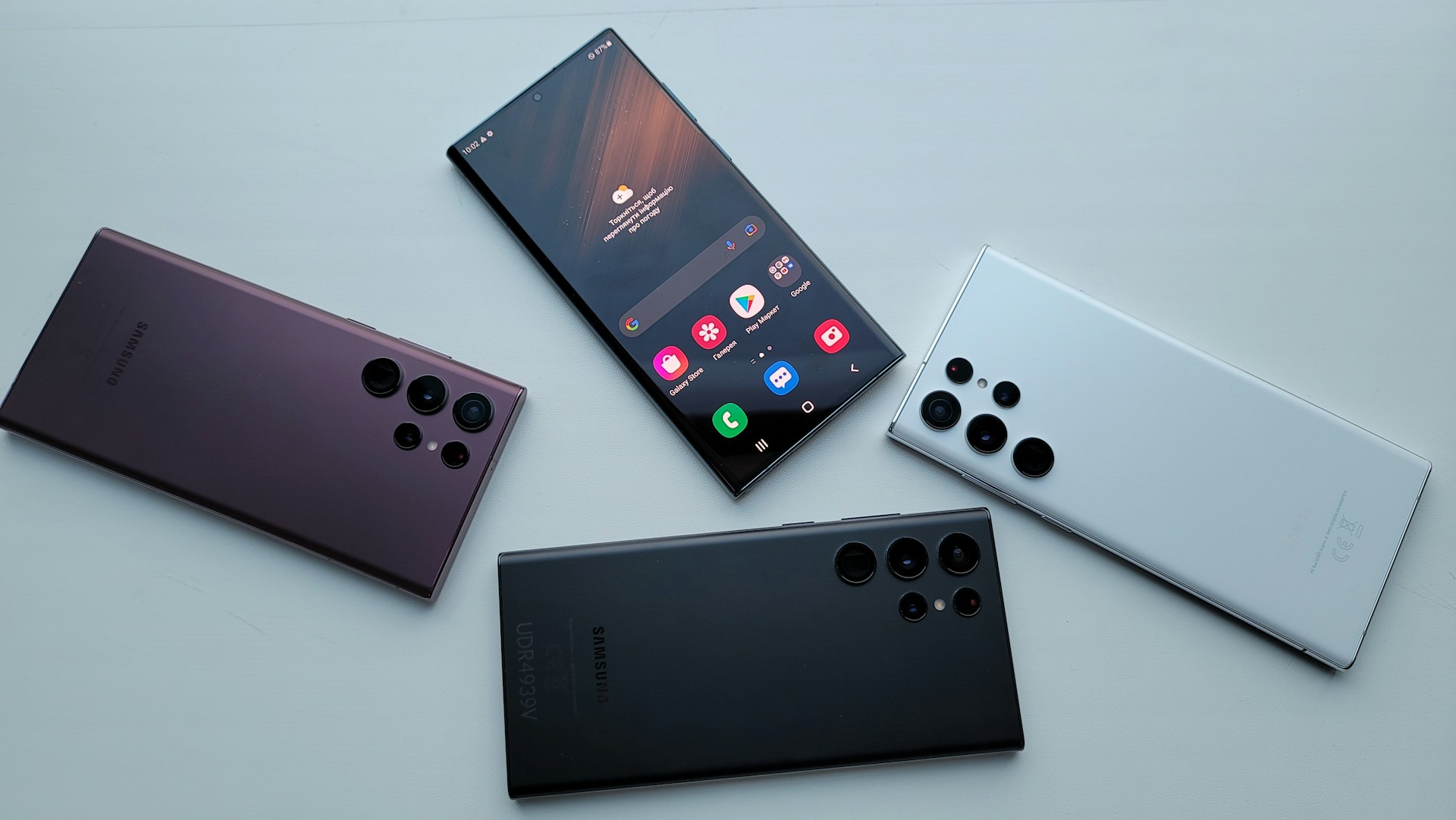
Samsung Galaxy S26 Ultra Arrives: Software Takes Center Stage Over Hardware
Fresh off its official announcement yesterday, February 25, the Samsung Galaxy S26 series is already making waves. Set for a full retail release on March 11, the new lineup—specifically the flagship Galaxy S26 Ultra—proves that Samsung is currently playing it safe with hardware while pushing boundaries in software. Instead of a radical overhaul, the company opted for a gentle but highly strategic facelift. Starting at $1,300 for the 12GB/256GB model and reaching $1,800 for the massive 16GB/1TB tier, the S26 Ultra feels incredibly familiar in the hand but operates quite differently once you turn the screen on.
A Familiar Face with a Hidden Trick
Aesthetically, the S26 Ultra has not strayed far from the design language established over the last three generations. It retains a hefty, premium footprint, weighing 214 grams with a sturdy aluminum frame and the new Corning Gorilla Glass Armor 2 protecting the back. You still get a massive 6.9-inch Dynamic AMOLED screen boasting a crisp 3120×1440 resolution and a peak brightness of 3000 nits. The anti-reflective coating introduced last year makes a welcome return, swallowing up glare and making the display perfectly legible even in harsh sunlight. The phone carries an IP68 rating for water and dust resistance, houses an ultrasonic in-screen fingerprint reader, and is available in a wide array of colors including Cobalt Violet, Sky Blue, Black, White, Silver Shadow, and Pink Gold.
There is a major new hardware trick exclusive to the Ultra model, however: the Privacy Display. When activated, the phone strategically disables specific portions of the display’s pixel matrix. Anyone trying to peek at your screen from an angle will just see a darkened panel, keeping your sensitive information completely safe from prying eyes. While the user looking head-on might notice a slight dip in overall screen brightness, it is a minor trade-off for top-tier security. You can toggle this feature manually or set it to kick in automatically when opening specific applications.
Minor Tweaks Under the Hood
Powering the entire experience is the new Snapdragon 8 Elite Gen 5 processor. Samsung is using an optimized “for Galaxy” variant built on a 3nm process, which features slightly higher clock speeds than the standard version. This octa-core chip is paired with an Adreno 840 GPU, lightning-fast UFS 4.0 storage, and either 12GB or 16GB of LPDDR5X RAM depending on your configuration. Naturally, the iconic S Pen retains its dedicated slot inside the chassis. Connectivity is fully modernized, offering Wi-Fi 7, Bluetooth 6.0, and Ultra Wideband support.
Interestingly, Samsung decided not to mess with a working formula regarding battery capacity. The S26 Ultra marks the seventh consecutive generation to utilize a 5000 mAh cell, a streak that dates all the way back to the Galaxy S20 Ultra. Charging speeds have seen a noticeable bump. While base specifications list the standard fast charge capability, the device can now hit up to 60 watts wired—a solid step up from the previous 45-watt limit—alongside robust 25-watt wireless charging and reverse wireless capabilities.
The Camera Setup Gets a Gentle Polish
Mobile photographers expecting a complete optics revolution might need to temper their expectations. The S26 Ultra houses a very familiar quad-camera array on its back. The star of the show remains the massive 200-megapixel ISOCELL HP2 main sensor, flanked by a 50MP ultra-wide lens, a 10MP telephoto capable of 3x optical zoom, and a 50MP periscope lens for 5x optical reach. Selfies are still handled by a dependable 12MP front-facing shooter.
The physical differences between this model and the S25 Ultra are microscopic. Samsung slightly widened the apertures on both the primary camera (now f/1.4) and the 5x telephoto lens (f/2.9), allowing a bit more light to hit the sensors for improved low-light performance. Aside from that, it is essentially the same reliable hardware, heavily supported by the device’s video recording suite which maxes out at a staggering 8K at 30 frames per second.
Artificial Intelligence Takes the Wheel
Hardware aside, the real story of the Galaxy S26 Ultra is Android 16 and a massive influx of AI-driven tools. Samsung has integrated Perplexity AI directly into the operating system. Simply saying “Hey Plex” summons a highly capable conversational assistant. Samsung’s legacy assistant, Bixby, is far from dead either. It has been retooled specifically to handle local device searches and deep system settings manipulation, making it much easier to navigate the phone hands-free.
Another standout addition is “Now Nudge,” a context-aware feature designed to quietly simplify your day. If a friend texts you asking to grab coffee next Tuesday, a small Now Nudge button will pop up, having already cross-referenced your calendar to see if you actually have free time.
Phone anxiety might also be a thing of the past thanks to an aggressive new Spam-Detection system. The AI can intercept calls from unknown numbers on the fly, quietly determining whether a real human is on the line or if it is just another robocall before your phone even rings. Rounding out the software suite is Finder, a powerful plaintext search engine that scans across all your Samsung apps to pull up a specific note, list, or document you lost track of. Samsung has committed to seven full years of OS and security updates for the entire S26 line, though they haven’t yet clarified which of these clever AI features will trickle down to older devices.